 eSefarad Noticias del Mundo Sefaradi

“A gota a gota se inche la bota.” (Drop by drop the barrel fills up.)
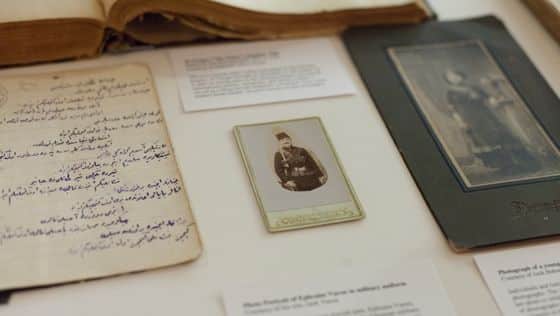
With more than one thousand items already catalogued, the Sephardic Studies Digital Library and Museum at the University of Washington is gradually becoming one of the largest repositories of original source materials pertaining to the Sephardic experience in the world. Over 625 items, totaling more than one hundred thousand pages, have already been digitized. The first twenty digital artifacts, including books and documents, are now available for free online through the University of Washington library.
The collection also includes more than 420 original books published in Ladino. Assembled from the bookshelves, closets, and basements of local residents and institutions in the greater Seattle region, this collection of books represents one of the largest Ladino libraries in the United States—and the most extensive repository of digitized Ladino texts in the country.
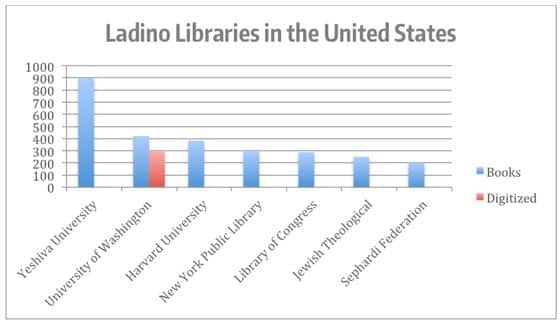
Spanning the start of the seventeenth century through the twentieth, the highpoint of the publication of Ladino books in our collection transpired from the late nineteenth century until the Second World War. This corresponds to the peak period of Ladino publishing, in general:
————————————
About the Author: Ty Alhadeff

Ty Alhadeff is the Sephardic Studies Research Coordinator of the Stroum Center for Jewish Studies at the UW. Ty is a graduate of the University of Washington and the Hebrew University of Jerusalem, Israel.
Fuente: This article originally appeared on jewishstudies.washington.edu, the website of the Stroum Center for Jewish Studies at the University of Washington. Reprinted here with permission.