 eSefarad Noticias del Mundo Sefaradi

April 18, 2013 I organized the concert The Sounds of Jewish Morocco with Jewish musicians from Casablanca in a beautiful intimate synagogue close to the medina and close to the Jewish community center which was bombed in 2003. The concert, a farewell for Ambassador Samuel and Sylvia Kaplan gathered musicians who currently live in Casablanca and who show the diversity in the musical heritage of Moroccan Jews.
The program stated:
«Moroccan Jewish musical traditions are ancient, varied and complex. Judeo-Berber Ahwash and Judeo-Andalusian liturgical songs mingle with Gharnati, Melhoun and cabaret music from the 1950-60s in Franco-Judeo-Arabic, experimental Gnawi jazz fusion and women’s traditional songs in Haketia (Moroccan Judeo-Spanish). Tonight our desire is to travel throughout the sonorous and historical landscape enjoyed by Moroccan Jews since millenary times and until contemporary Casablanca.»
«Les traditions musicales juives marocaines sont anciennes, complexes et variées. Les chants Ahwach judeo-berbères ou les chants liturgiques judeo-andalouses se mêlent au chant Gharnatie, Melhoun, ou a la tradition des chants de cabaret des années 1950 et 60 en judéo-français arabe, ou dans les fusion jazz experimental gnaoui ou encore les chants traditionnels du femmes en Haketia (judéo-espagnol marocain). Ce soir, notre désir est de vous faire voyager à travers les paysages sonores et historiques dont jouissent les Juifs Marocains, depuis les mellah des villes imperiales ou de villages berbères, jusqu’au Casablanca d’aujourd’hui».
Vanessa Paloma
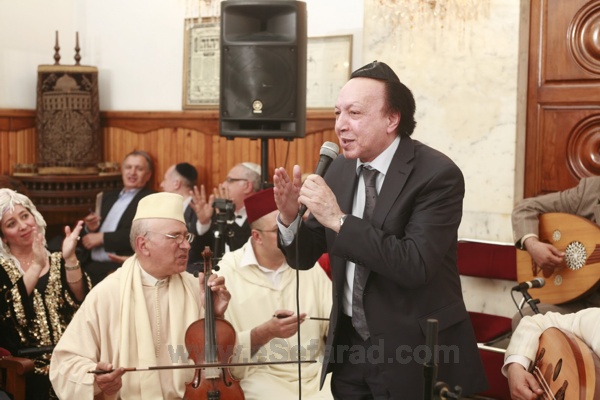
Haim Botbol thrilled us all close to the end of the evening when he chained one song into another and performed in his usual audience-rousing manner. It was quite a treat, since he performs rarely.
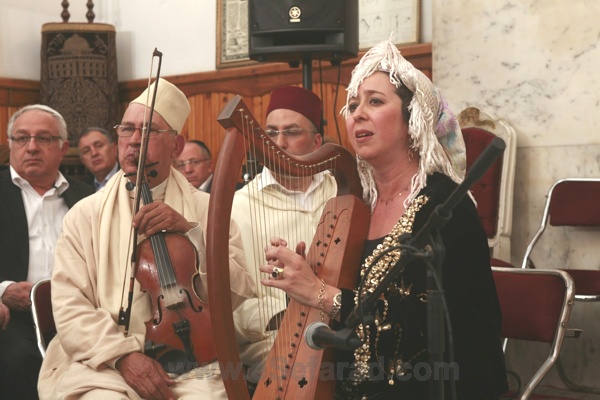 I sang a romance from Tetuan in Haketía, Moroccan Judeo-Spanish. This romance is an allegory for the Shechina in exile and exists only in Morocco and Oran in the oral tradition of the 20th century. To end the program I chose the Ein Keloheinu sung at Slat el Fassiyine until the 1960s which is in three languages: Hebrew, Judeo-Arabic and Judeo-Spanish. The audience joined in reiterating the unity in the diversity of Moroccan Judaism!
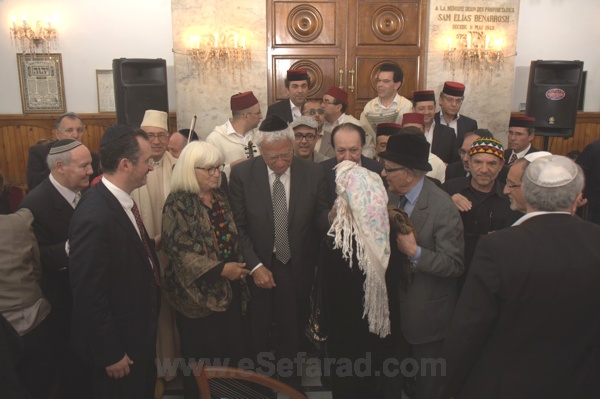
The Kaplans both spoke very movingly, congratulating the musicians and speaking to the power of music to move deep emotions. Ambassador Kaplan said he was moved in this synagogue on that evening in a way that he hadn’t been moved since hearing his grandfather lead services in his home synagogue during his youth.
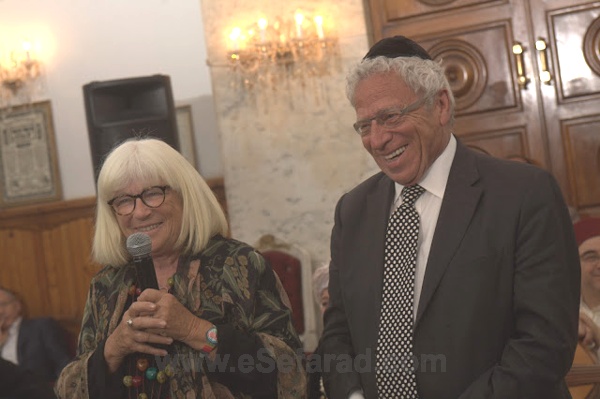
Sylvia Kaplan was thrilled to be in a synagogue in Morocco sitting downstairs, and not in the usual «azara» area reserved for women on the second floor. She reiterated how all the musician’s talents shone through and that it was a musical testament to what it was like being Jewish in Morocco
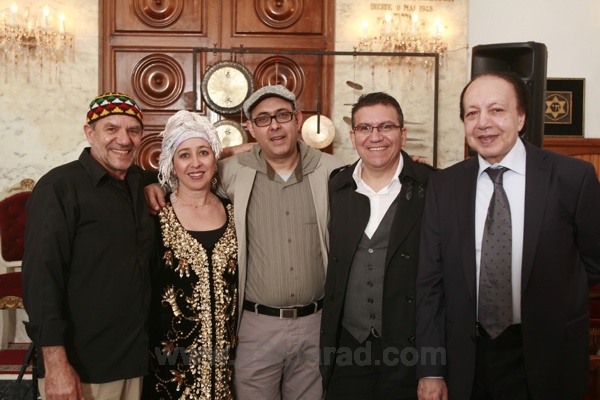
The Karoutchi brothers hail from another Judeo-Moroccan musical dynasty – the one which is currently active in the Moroccan Jewish (and non-Jewish) circuit. From Left to Right: Jauk Amram Elmaleh, Vanessa Paloma, Maurice Elbaz, Maxime Karoutchi, Haim Botbol.
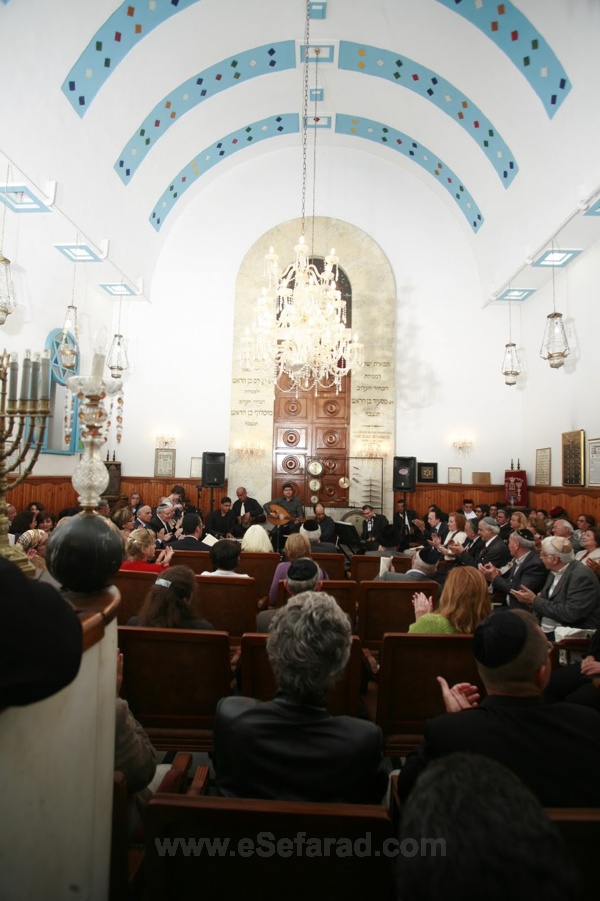
This synagogue is a gem which was built in 1927 with vocal acoustics in mind so as to facilitate the projection of the voice during prayer.
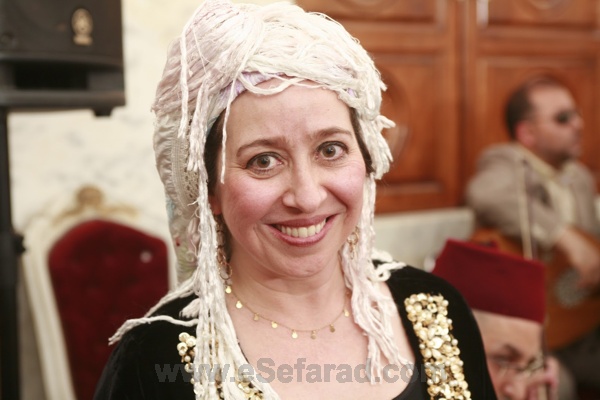
Thank you Vanessa!
Ay, ¡que tristeza estar tan cerca!, en Marruecos, a un par de horas de Casablanca y no poder asistir. Aun encima, acababa de estar con Vanessa , Maurice y Davidcito unos pocos días antes – pero la noche del concierto, estaba haciendo unos talleres, en otra ciudad marroquí – que luego os contaré – y por pura casualidad, también acabé, aquella misma noche, asistiendo a una noche de al-henya de una novia local….. Por todo lo que me contaron después, quella nochada que organizó Vanessa fue un éxito a todos los niveles – ¡enhorabuena!