eSefarad Noticias del Mundo Sefaradi

Principal of ultra-Orthodox high school in Beitar Illit recorded complaining about number of Sephardic students he must deal with
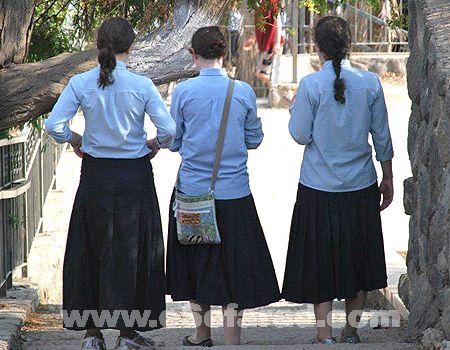
The discrimination between Sephardic and Ashkenazi students in the ultra-Orthodox public has been going on for years, reaching its peak with the Emmanuel affair, in which fathers were arrested for refusing to send their daughters to seminaries without segregation.
Throughout the years, the haredim have claimed that the segregation has to do with religious devoutness, but reality proves otherwise.
Kol Hai Radio on Sunday aired a recording of a principal of a haredi high school for girls in Beitar Illit, complaining about the number of Sephardic students he must deal with.
«Not every year (…) absolutely not. Are you aware of the amount of Sephardic girls? I can’t, I just can’t,» the principal is heard saying.
The radio station received the recording from an Ashkenazi haredi businessman, who tried to convince the seminary principal to admit students who have yet to find a suitable school. According to the man, the girls come from devout religious homes, and their only sin is being Sephardic.
Traditional problem
The racial discrimination against Sephardic students in haredi seminaries resurfaces every year. Many girls are forced to stay home long after the start of the school year after failing to find an educational institution willing to admit them.
In mid 2010, the state comptroller released a report on the discrimination against Sephardic students in seminaries for girls. According to the report, the discrimination is perpetuated through regulations stating that prayers will be held in their Ashkenazi version, schools designated for Mizrahi girls only, municipalities appointing committees of rabbis to enroll the students, and lack of Education Ministry supervisors.
The Education Ministry announced at the time that it had taken steps and issued a series of measure to prevent the discrimination. Among other moves, the Ministry added 15 supervisors and said it planned to add 30 more in the next two years.
A day before the comptroller’s report was published, Ynet reported that almost 200 Sephardic girls had yet to find an educational institution willing to take them in.
Source: Y-NET
[print_link]