eSefarad Noticias del Mundo Sefaradi

Hebrew Letters and Markings Found in Ancient Homes
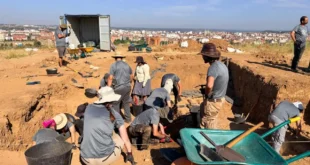
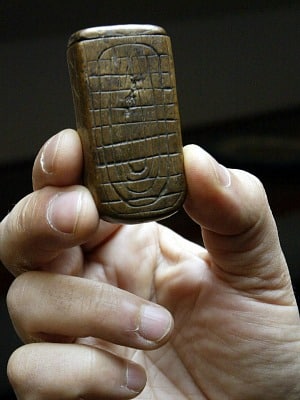 Portuguese researchers have catalogued hundreds of secret markings that Jews left on structures in the northern Portuguese municipality of Seia in the 16th century, after their forced conversion to Christianity.
The team’s three members – Alberto Martinho, Jose Levy Domingos and Luiza Metzker Lyra – say they found 500 markings in Seia, including coded Hebrew letters and words carved into walls of homes where converted Jews used to live, as well as distinctive indentations in stone doorframes where the residents would have placed mezuzahs.
Martinho told Portugal’s Lusa news agency on Friday that the findings “elucidate the Jewish presence” in the region. According to Jose Oulman Carp, the president of the Jewish Community of Lisbon, Portugal had a Jewish population of about 400,000 Jews in 1536, when the Portuguese Inquisition officially began.
Many of the Jews in Portugal were refugees from neighboring Spain, where the Inquisition – an organized campaign of persecution led by the Catholic Church – began in 1492. Persecution in Portugal forced many Jews into exile, whereas those who stayed became known as “New Christians” though many of them continued to practice Judaism in secret and developed special customs to set themselves apart in discrete ways from the rest of the population.
The Portuguese parliament earlier this month passed a law which says descendants of Jews who left are entitled to citizenship. A similar bill is being prepared in Spain.
According to the researchers, who are scheduled to publish their full study within two weeks, they found 42 marked houses in the small village of Santa Marinha alone. The town of Trancoso has many more marked houses, they said.
Source: The Jewish Daily Forward. By JTA, Published April 21, 2013.