eSefarad Noticias del Mundo Sefaradi

Knesset encourages Education Ministry to implement “budgetary sanctions” against institutions that practice ethnic discrimination.
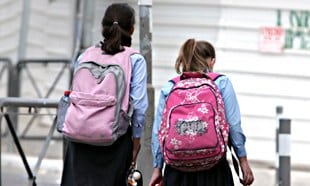 Knesset Education Committee Chairman Alex Miller (Israel Beiteinu) on Tuesday gave cities in which haredi high school girls are not enrolled anywhere one month to change that situation or to provide a very good explanation for it, after a lengthy hearing on the situation of Sephardi teens who remain at home because the schools of their choice wouldn’t accept them.
Miller also encouraged the Education Ministry to implement “budgetary sanctions” against institutions that practice ethnic discrimination, or even fire their principals.
MK Haim Amsalem (Shas) had demanded the meeting weeks ago, after hearing that Sephardi girls in Modi’in Illit had not been accepted to local schools.
Amsalem, along with Shas Party Chairman Interior Minister Eli Yishai, had written to their Ashkenazi colleagues at United Torah Judaism, imploring them to help resolve the problem, noting it reflects badly on the entire haredi sector.
While three Shas MKs – Amsalem, Nissim Ze’ev and Avraham Michaelshvili – attended the Tuesday meeting, no UTJ representative came. Faction leader Menahem Eliezer Moses informed the committee that he dealt with problems pertaining to elementary education, not high schools.
The meeting opened with representatives of the Jerusalem educational system informing the committee that of the 2,500 ninth-grade haredi girls in the capital, only 28 remained out of school at this stage.
This, the officials said, was due to the parents’ refusal to send their daughters to institutions offered by the city, and not on ethnic grounds.
Sometimes, a student simply is not suited for the school she applies to, said Itamar Bar-Ezer, who is in charge of the haredi education in the capital.
“You need to match apples with apples and pears with pears,” he noted, stressing later that the different types of fruit he mentioned did not imply different ethnicities.
Similar problems exist in Modi’in Illit and Bnei Brak, as relayed by parents of girls who were rejected from Ashkenazi schools. The official reason given never related to ethnicity, but according to the parents, there was no other feasible explanation.
Education Ministry director-general Dr. Shimshon Shoshani informed the committee that his ministry was boosting the number of inspectors in the haredi education system, and said that while haredi schools were entitled to have regulations that reflect the sensitivities of their lifestyle, “the rules must be clear and transparent.”
Shoshani also said that an appeals committee would be formed and its procedures made public.
“The ministry will accept no form of discrimination,” Shoshani said, and suggested that parents who encounter it, file a complaint with the police, as it is against the law.
Yoav Laloum of the Noar Kahalacha NGO, who was behind a petition last year to the High Court of Justice regarding the situation in an Emmanuel Beit Ya’acov school, said that haredi families fear to speak out against such phenomena, because it can lead to parents and siblings being shunned and persecuted.
“Parents who dared complain received threats at their synagogues and workplaces. They are afraid,” he said.
On Monday, the newly formed committee of rabbis convened under the auspices of Religious Affairs Minister Ya’acov Margi (Shas) to discuss discrimination against Sephardim in the haredi educational system. Shas is also formulating a bill to combat the phenomenon that they say is plaguing cities nationwide.
by JONAH MANDEL
Source: Jerisalem Post. Jan 13, 2011