eSefarad Noticias del Mundo Sefaradi

The Museo Sefardí in Toledo asked Factum Foundation to produce a facsimile of a fragment of a Sefer Torah (a handwritten parchment scroll containing the first five books of the Hebrew Bible), found hidden behind a horseshoe arch in a house in Toledo. This small parchment, which recounts a passage from the book of Exodus, was concealed in the 15th and 16th centuries, possibly out of fear of the Inquisition or stored safely when the text was so fragmented it was no longer useful.
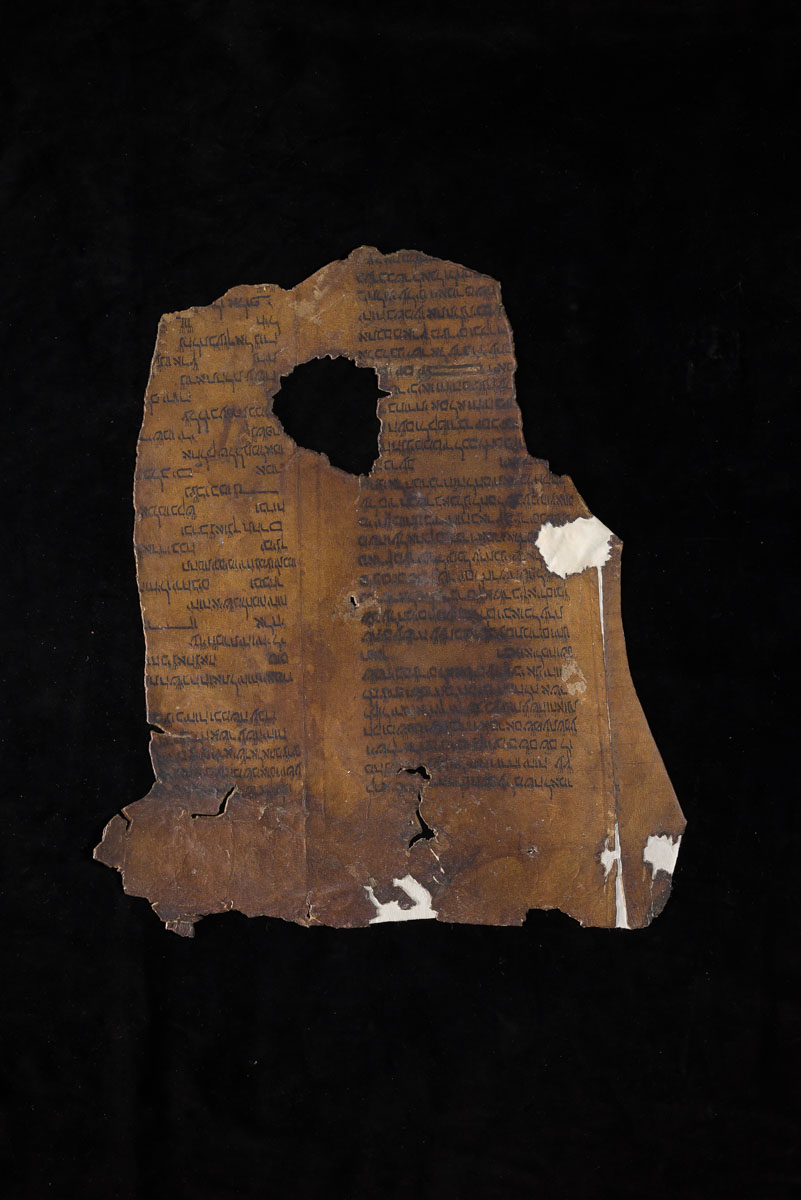
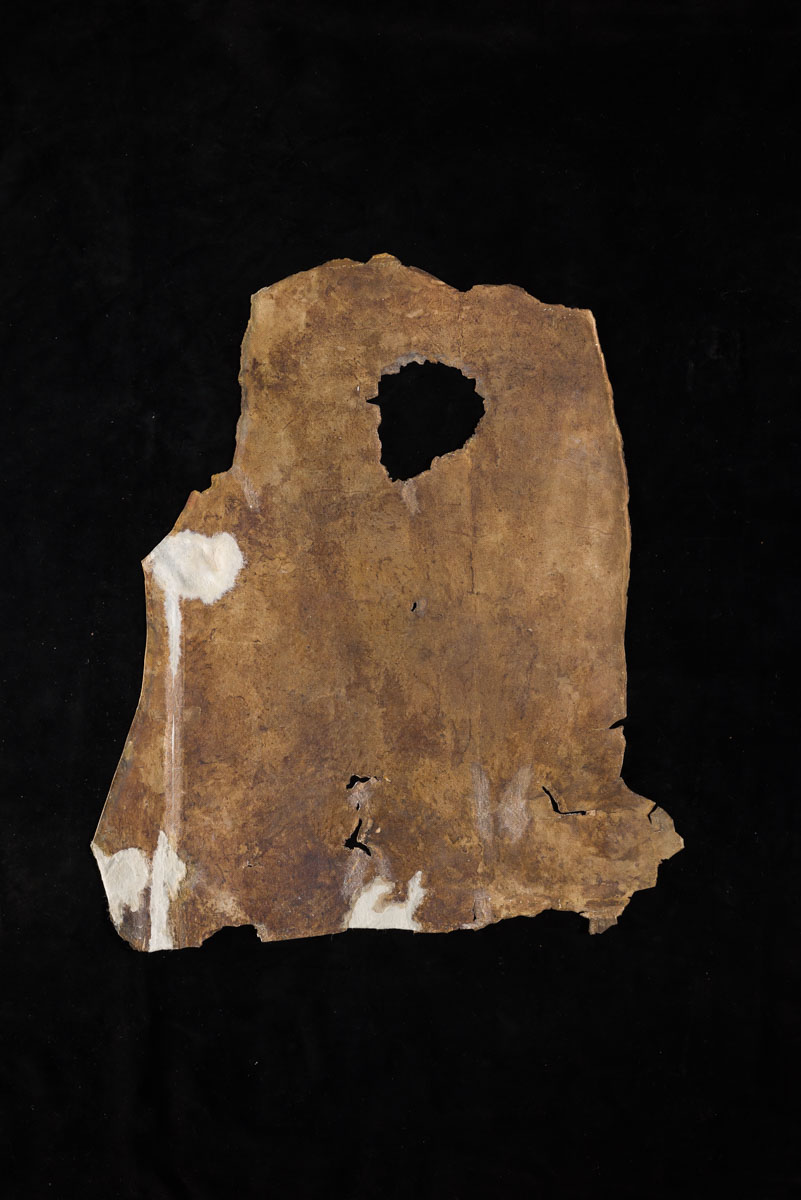
Both sides of the finished facsimile of DO 2006/44/1. “Fragment of a Sefer Torah”.
Junta de Comunidades de Castilla-La Mancha. Consejería de Educación, Cultura y Deportes. Museo de Santa Cruz de Toledo. On deposit at the Museo Sefardí de Toledo © Oak Taylor-Smith | Factum Foundation
The document, housed within the deposit of the Museo de Santa Cruz in the Museo Sefardí (Ministry of Culture) was digitised using the Selene Photometric Stereo System to capture its surface and colour in high resolution. The processed data were subsequently re-materialised in Factum’s workshops, producing a facsimile that reproduces the Hebrew script and all the physical characteristics of the original on both sides. This small facsimile required several weeks of research to find the right way to rematerialise it keeping its original look and feel.
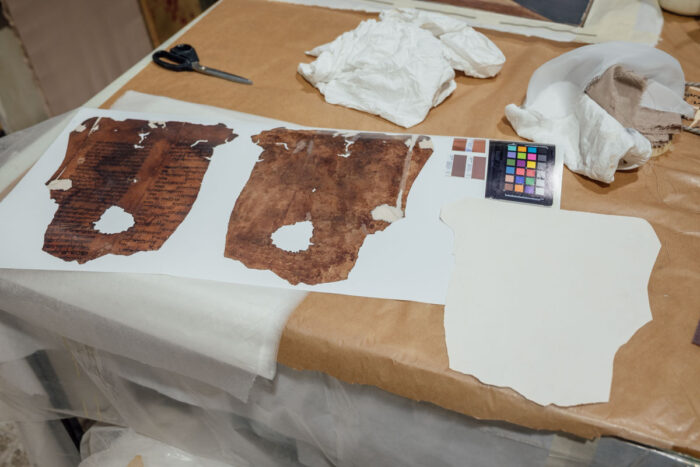
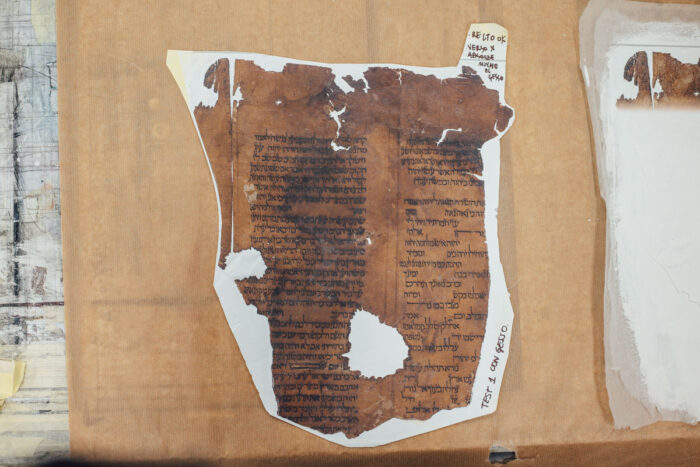
Given the fragile state of conservation of the original fragment, Factum’s facsimile will be exhibited in the Museo Sefardí every six months, as historical bibliographic documents are particularly vulnerable during display unless temperature and humidity are stable and the light levels minimal. This facsimile offers a solution that prevents the deterioration of the original with the added advantage that it can be handled and studied. The data captured with the Selene PSS further extends research possibilities by enabling high resolution remote visualisation and supporting conservation through comparison with other diagnostic techniques.
Interestingly, it’s the second facsimile of a document found hidden behind a wall. In 2025 Factum Foundation reproduced the Carta de la fuesa, a 16th century Morisco document that was also found hidden within the walls of a house. Together with this fragment of a Sefer Torah, Factum’s work helps to bring into focus direct testimonies in the Christian, Muslim and Jewish communities on the Iberian Peninsula during the Reconquista, revealing aspects of everyday life that reflect moments of repression as well as periods of political and religious stability.
Fuente: factumfoundation.org